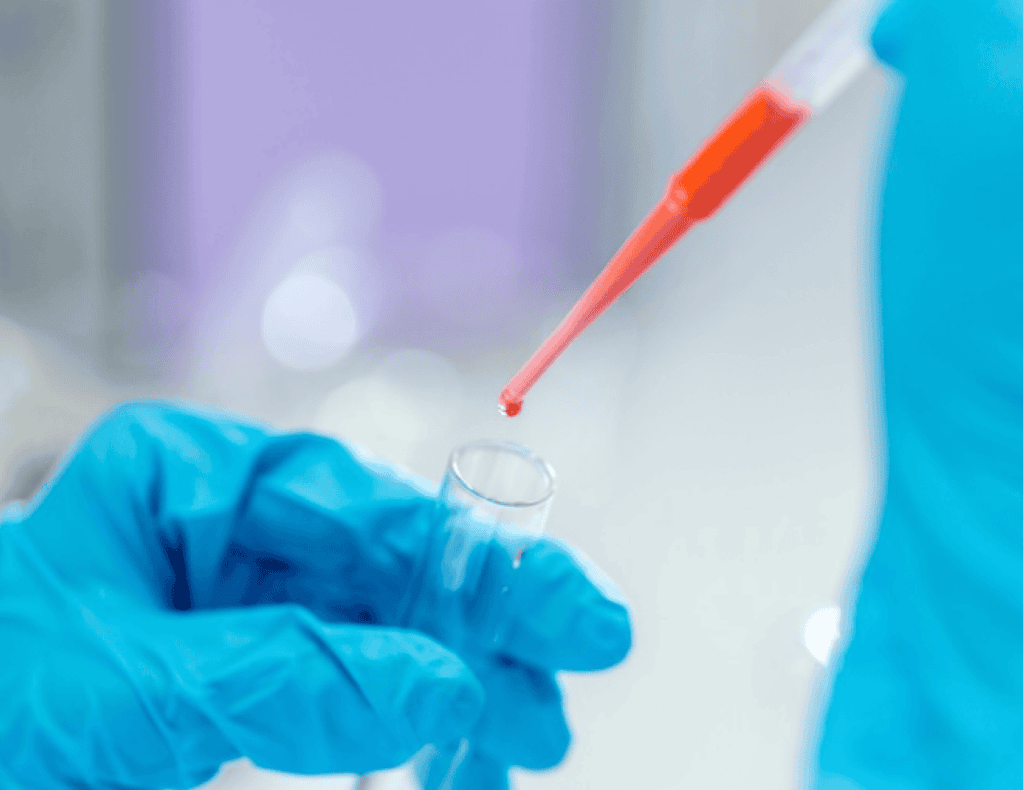
In the realm of modern medicine, stem cell therapy has emerged as a promising frontier, offering potential treatments for a wide array of medical conditions. Stem cells possess unique properties that make them versatile tools in regenerative medicine, capable of repairing and replacing damaged tissues and organs within the body. This article delves into the effectiveness of stem cell therapy and its various applications across different fields of medicine.
Understanding Stem Cells
Stem cells are undifferentiated cells that have the remarkable ability to develop into specialized cell types. This unique characteristic, known as pluripotency or multipotency, allows stem cells to regenerate and repair tissues affected by injury, disease, or age-related degeneration. There are two main types of stem cells used in therapy:
- Embryonic Stem Cells (ESCs): Derived from embryos, these cells are pluripotent and have the potential to develop into any cell type in the body.
- Adult Stem Cells (ASCs): Also called somatic or tissue-specific stem cells, these are found in various tissues throughout the body and can differentiate into specific cell types related to their tissue of origin.
Effectiveness of Stem Cell Therapy
Stem cell therapy holds significant promise in treating a variety of medical conditions due to its ability to regenerate and repair tissues. Some key areas where stem cell therapy has shown effectiveness include:
- Orthopedic Injuries: Stem cells are used to repair damaged cartilage, bones, and joints, offering alternatives to invasive surgeries like joint replacements.
- Cardiovascular Diseases: They have potential applications in repairing heart tissue damaged by heart attacks or diseases, improving heart function and patient outcomes.
- Neurological Disorders: Stem cells show promise in treating conditions like Parkinson’s disease, Alzheimer’s disease, and spinal cord injuries by replacing damaged neurons and promoting neural regeneration.
- Autoimmune Diseases: Stem cell therapy can modulate the immune system, potentially offering treatments for autoimmune conditions like multiple sclerosis and rheumatoid arthritis.
- Cosmetic and Anti-Aging Treatments: In dermatology and aesthetics, stem cells are utilized for skin rejuvenation, wound healing, and hair regrowth treatments.
Ethical Considerations and Controversies
Despite its promising potential, stem cell therapy remains a topic of ethical debate, primarily concerning the use of embryonic stem cells. The ethical concerns revolve around the source of stem cells and the ethical implications of their use in research and therapy.
Future Directions and Research
Research in stem cell therapy continues to expand, with ongoing studies focusing on improving techniques, understanding mechanisms, and exploring new applications. Areas of active research include enhancing the efficiency of stem cell differentiation, developing safe delivery methods, and exploring novel sources of stem cells such as induced pluripotent stem cells (iPSCs).
Stem cell therapy represents a revolutionary approach in medicine, offering potential treatments for conditions previously considered untreatable. With ongoing research and technological advancements, the future holds promise for further harnessing the potential of stem cells to transform medical treatments and improve patient outcomes worldwide. As ethical concerns are addressed and research progresses, stem cell therapy stands poised to revolutionize healthcare in the coming years.
The multifaceted effectiveness and diverse applications of stem cell therapy underscore its potential as a cornerstone of future medical treatments, offering hope for patients and clinicians alike in the quest for improved health and longevity.