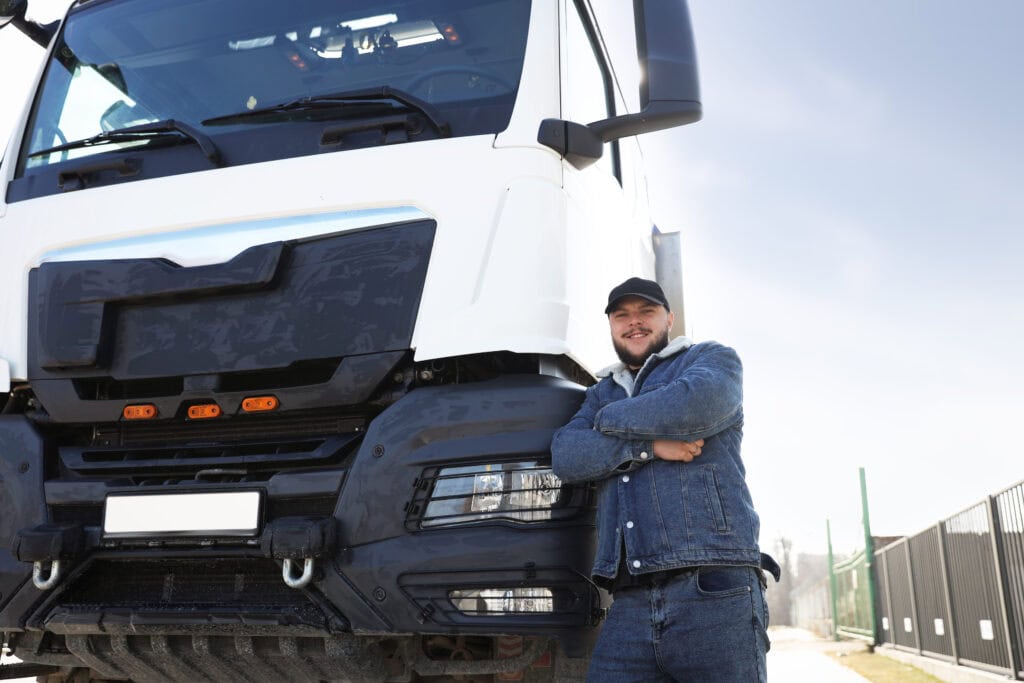
Long hauls don’t leave much room for meal prep, and truck stop food courts aren’t exactly known for their produce sections. But eating well on the road is more possible than most drivers think, it just takes knowing what to grab and what to skip when you’re pulling into a gas station or grocery store with fifteen minutes to spare.
Why It’s Worth the Effort
Sitting for long stretches, combined with irregular meals and easy access to fried food and sugary drinks, puts commercial drivers at higher risk for weight gain, blood sugar swings, high blood pressure, and fatigue behind the wheel. None of that is good for your health or your DOT medical certification down the road. Small, consistent choices at every stop add up over weeks and months on the road.
What to Look for at a Gas Station
Most gas stations have more usable options than they get credit for, if you know where to look.
Protein you can grab and go:
- Hard-boiled eggs (many stations now stock these in the cooler section)
- Beef jerky or turkey jerky (check for lower-sodium options when available)
- String cheese or cheese sticks
- Canned tuna or chicken pouches, no refrigeration required
Better carb choices:
- Nuts or trail mix without added sugar coatings
- Whole fruit like bananas, apples, or oranges
- Protein or nut-based bars with minimal added sugar (check the label, many “protein bars” are closer to candy bars)
What to skip:
- Fried foods sitting under heat lamps
- Sugary energy drinks and sodas
- Chips and candy as a meal substitute
- Pastries and donuts, they’ll spike your blood sugar and leave you crashing an hour later
Making the Most of a Grocery Stop
When your route takes you past a grocery store, even a quick 10-minute stop can restock your cab with better options for the next few days.
Fill your cooler with:
- Pre-cooked rotisserie chicken or deli turkey
- Greek yogurt (a good source of protein that travels well in a cooler)
- Baby carrots, sugar snap peas, or other pre-washed vegetables
- Hummus or guacamole cups for dipping
- Bottled water, more than you think you’ll need
Pantry-friendly staples that don’t need refrigeration:
- Canned soups or chili with a pop-top lid
- Whole grain crackers
- Nut butter packets
- Dried fruit in moderation (it’s higher in sugar than fresh, so watch portions)
A Simple Approach to Meal Timing
Rather than skipping meals and then overeating at a truck stop buffet, aim to eat something small every three to four hours. This helps keep blood sugar stable and reduces the temptation to grab whatever’s fastest when hunger hits hard. Keeping a cooler stocked with protein and produce makes this much easier to stick to than relying entirely on truck stop food.
Staying Hydrated Matters Too
Dehydration contributes to fatigue just as much as poor food choices do. Keep water in the cab and sip throughout the day rather than relying on coffee or energy drinks to stay alert. If plain water gets old, adding a slice of lemon or a splash of an electrolyte packet without added sugar can help.
Small Changes, Real Results
You don’t need to overhaul your entire diet overnight. Swapping the gas station donut for a hard-boiled egg and a piece of fruit, or the soda for water, adds up over the course of a month on the road. These small, sustainable swaps are often easier to stick with long-term than a strict diet plan that doesn’t account for life behind the wheel.
From Natural Wellness of Texas
Whether you’re due for a DOT physical or looking for support with weight management on a demanding schedule, Natural Wellness of Texas works with commercial drivers throughout South Texas to help build health habits that actually fit the road.
Natural Wellness of Texas 388 Metting Road, Goliad, TX 77963 Phone: (361) 485-0449